The acquisition of home and kitchen appliances represents a significant investment, impacting daily routines, energy consumption, and the aesthetic coherence of a living space. This guide provides a comprehensive overview of current trends, practical considerations, and strategic approaches to navigating the diverse appliance market in 2026. The objective is to equip consumers with the knowledge necessary to make informed decisions that align with household needs, budgetary constraints, and long-term utility.
The appliance industry is characterized by continuous innovation, driven by advancements in technology, escalating consumer demand for efficiency, and evolving design preferences. Modern appliances transcend their historical function as mere utilitarian devices, integrating sophisticated features that enhance convenience, optimize performance, and minimize environmental impact. The discerning consumer, once primarily focused on basic functionality, now evaluates a broader spectrum of attributes including smart connectivity, energy efficiency, and design integration.
The Rise of Smart and Adaptive Features
The proliferation of smart technology has fundamentally reshaped appliance capabilities. This integration extends beyond rudimentary connectivity, encompassing adaptive intelligence that responds to user behavior and environmental conditions.
Intelligent Operation and Automation
Contemporary appliances are increasingly equipped with sensors and algorithms that enable autonomous adjustments. Refrigerators, for instance, are evolving to optimize internal cooling zones based on frequency of item access, thereby maintaining consistent temperatures and reducing energy waste. This represents a paradigm shift from static temperature control to dynamic, responsive cooling management. Similarly, dishwashers now frequently incorporate soil detection technology, allowing them to automatically determine the appropriate cycle length and water expenditure, thus preventing over-washing or under-cleaning. This level of automation contributes to both efficiency and user convenience, effectively removing a layer of decision-making from daily chores.
Guided Cooking and Precision Control
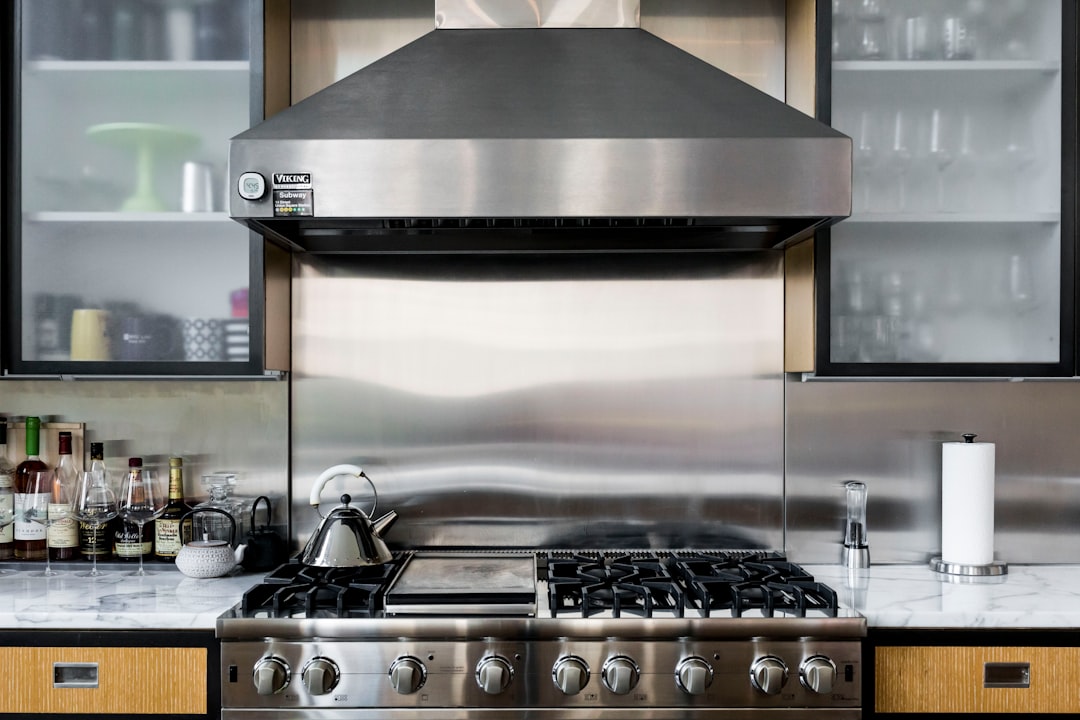
For culinary enthusiasts and casual cooks alike, a significant advancement lies in guided cooking features. Many modern cooking appliances, such as those from manufacturers like Fisher & Paykel, offer touchscreen interfaces with integrated recipes and step-by-step instructions. This democratization of culinary expertise allows users to execute complex dishes with greater confidence and consistent results. Beyond guidance, temperature precision has become a hallmark of high-end cooking ranges and ovens. These appliances maintain tighter temperature tolerances, crucial for delicate preparations like sous vide or precise baking, ensuring consistent outcomes that were once the exclusive domain of professional kitchens. Integrated alerts further enhance safety and prevent overcooking, serving as an electronic maître d’ to your culinary endeavors.
If you’re looking to enhance your home and kitchen experience, you might find our article on the “Ultimate Guide to Buying Home & Kitchen Appliances” particularly useful. For more insights and tips on selecting the right appliances, be sure to check out our related article at Best New Reviews Blog, where we delve deeper into the latest trends and essential features to consider when making your purchases.
The Imperative of Energy Efficiency
In an era of increasing environmental consciousness and rising energy costs, energy efficiency has transitioned from a desirable trait to a fundamental expectation. Manufacturers are continually developing technologies that reduce resource consumption without compromising performance.
Beyond Basic Compliance: Advanced Energy Solutions
While ENERGY STAR® ratings remain a crucial benchmark for identifying energy-efficient appliances, many brands now strive to exceed these minimum requirements. This dedication to superior efficiency is evident across various appliance categories.
Refrigeration and Cooling Technologies
In refrigeration, improvements in insulation materials and compressor technology have significantly reduced energy consumption. Modern compressors operate more quietly and efficiently, cycling less frequently while maintaining stable internal temperatures. This translates to lower electricity bills and a reduced carbon footprint over the appliance’s lifespan. The aforementioned adaptive cooling zones further contribute to this efficiency by precisely allocating energy where and when it is needed most.
Water and Heat Optimization in Cleaning and Cooking
Dishwashers epitomize advancements in water efficiency. Contemporary models feature sophisticated spray arms and high-pressure cleaning systems that effectively remove food particles using significantly less water than older counterparts. This not only conserves a vital resource but also reduces the energy required to heat the wash water. Similarly, cooking appliances are engineered to heat more rapidly and maintain consistent temperatures with less energy input. Induction ranges, in particular, are lauded for their energy efficiency due to direct heat transfer to cookware, minimizing heat loss to the surrounding environment and presenting a compelling alternative to traditional electric or gas models.
Aesthetic Integration and Design Evolution
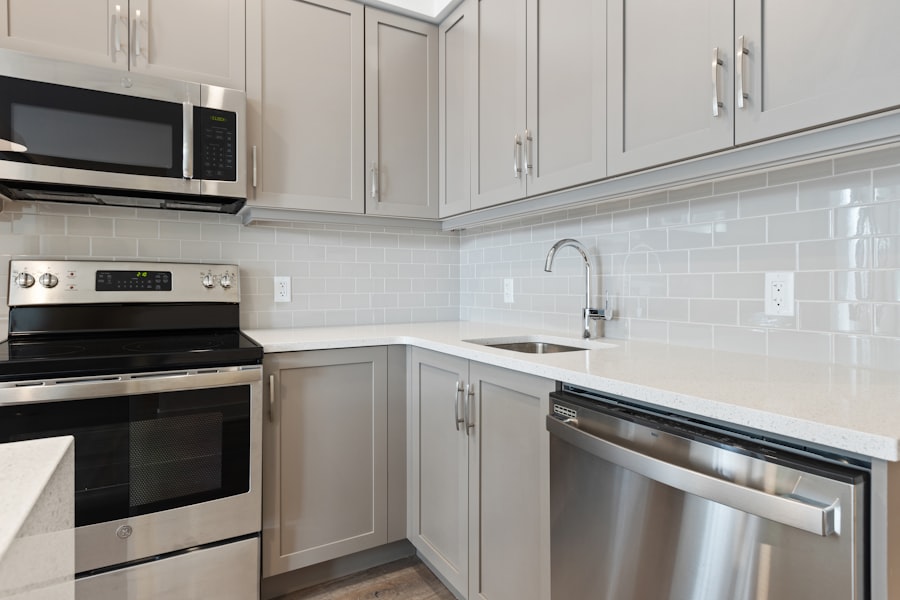
The kitchen is increasingly viewed as the heart of the home, a space that blends functionality with aesthetic appeal. Appliance design has evolved to reflect this, moving towards seamless integration and minimalist aesthetics that complement contemporary interior styles.
The Seamless Kitchen: Built-in and Integrated Appliances
A prominent trend is the shift towards built-in, integrated, and panel-ready appliances. This design philosophy aims to create a cohesive and uncluttered kitchen environment where appliances blend seamlessly with cabinetry. Integrated refrigeration, for example, allows for custom paneling that matches the surrounding kitchen units, effectively “disappearing” the appliance into the design. Similarly, hidden dishwashers, often concealed behind cabinet fronts, maintain cleaner sightlines and contribute to a more expansive feel within the kitchen. This pursuit of minimalist aesthetics often involves the elimination of protruding handles in favor of push-to-open mechanisms or recessed designs.
Material Innovations and Surface Finishes
Beyond integration, material science is playing a role in both durability and aesthetics. Matte glass induction cooktops are emerging, offering enhanced scratch resistance compared to traditional glossy surfaces. This innovation addresses a common pain point for users, extending the pristine appearance of essential cooking surfaces. The overall design language favors cleaner lines, fewer embellishments, and a focus on high-quality, tactile materials that contribute to a sense of understated luxury.
The Emergence of Specialty Appliances
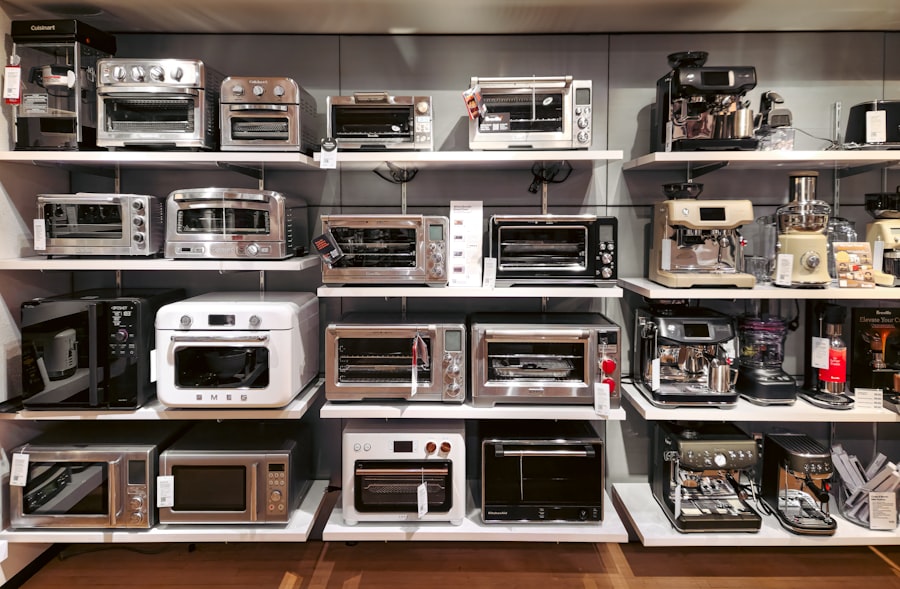
As culinary practices become more diverse and consumer preferences more refined, a new category of specialty appliances is gaining prominence. These devices cater to specific needs, offering enhanced capabilities for particular cooking techniques or food preservation methods.
Expanding Culinary Horizons
Specialty appliances, once confined to professional kitchens, are now accessible to the home consumer, allowing for a broader range of culinary endeavors.
Steam Ovens and Advanced Food Preparation
Steam ovens are a prime example, offering a healthy and efficient alternative to conventional cooking methods. They preserve nutrients, moisture, and flavor in foods, resulting in more tender meats and vibrant vegetables compared to dry heat methods. The ability to cook with steam, often in combination with convection, opens up possibilities for baking artisanal breads, reheating leftovers without drying them out, and preparing intricate dishes with superior texture and taste.
Preservation and Culinary Tools
Beyond cooking, appliances like vacuum sealers and blast chillers are finding their way into sophisticated home kitchens. Vacuum sealers extend the shelf life of food, reduce waste, and facilitate precise sous vide cooking. Blast chillers, while still a niche product, rapidly cool cooked foods to safe temperatures, preventing bacterial growth and enhancing food safety and preservation. The workstation sink, a modular unit often featuring integrated cutting boards, colanders, and drying racks, exemplifies a holistic approach to kitchen utility, centralizing prep and cleanup activities.
If you’re looking for comprehensive advice on selecting the best home and kitchen appliances, you might find our article on essential tips for appliance maintenance particularly helpful. This resource not only complements the Ultimate Guide to Buying Home & Kitchen Appliances but also provides valuable insights on how to keep your appliances running efficiently for years to come. By understanding both the purchasing process and the upkeep of your appliances, you can make informed decisions that enhance your home experience.
Strategic Appliance Acquisition
| Appliance | Average Lifespan (Years) | Energy Efficiency Rating | Key Features to Consider | Average Price Range |
|---|---|---|---|---|
| Refrigerator | 10-20 | A+++ to A | Capacity, Energy Star rating, Noise level, Smart features | 500 – 2000 |
| Washing Machine | 8-12 | A+++ to B | Load capacity, Spin speed, Water consumption, Wash programs | 300 – 1500 |
| Microwave Oven | 7-10 | A+ to B | Power wattage, Size, Pre-set cooking modes, Inverter technology | 100 – 600 |
| Dishwasher | 9-12 | A+++ to A | Capacity, Noise level, Energy consumption, Wash cycles | 400 – 1500 |
| Air Conditioner | 10-15 | A+++ to B | BTU capacity, Energy efficiency ratio, Noise level, Smart controls | 300 – 2500 |
| Vacuum Cleaner | 7-10 | A to C | Suction power, Corded vs cordless, Weight, Filtration system | 100 – 800 |
| Electric Kettle | 3-5 | A to B | Capacity, Auto shut-off, Boil-dry protection, Material | 20 – 100 |
Navigating the multitude of options and features requires a structured approach. A well-considered purchasing strategy ensures that chosen appliances not only meet immediate needs but also provide long-term satisfaction and value.
Prioritizing Needs and Budgetary Discipline
The journey of appliance acquisition should commence with a thorough assessment of household requirements and a realistic financial framework.
Defining Your Needs and Lifestyle
Before contemplating specific brands or features, it is paramount to analyze your cooking style, living habits, and household size. Are you a frequent entertainer, requiring high-capacity ovens and multiple burners? Do you prioritize quick meals and convenience, making smart features and rapid heating a priority? Or is energy efficiency your primary concern due to environmental considerations or high utility costs? Beginning with an understanding of your “why” – your cooking style and household needs – provides a compass for navigating the market, preventing impulse purchases driven solely by appearance. A refrigerator chosen for its vast storage capacity is impractical for a single individual, just as a minimalist induction cooktop may frustrate a chef who relies on complex gas range control.
Establishing a Realistic Budget
Setting a realistic budget is a critical initial step. Appliance prices can vary dramatically based on brand reputation, integrated features, and design aesthetics. Understanding the available features at different price points allows for informed trade-offs. For instance, a budget-conscious consumer may prioritize a high-efficiency refrigerator over a smart refrigerator with an interactive display, if the latter exceeds their financial limits. Bundling appliances from the same manufacturer can often result in cost savings and ensures a consistent aesthetic, a practical consideration for those outfitting an entire kitchen.
Practical Considerations for Installation and Longevity
Beyond initial purchase, the long-term utility and integration of appliances depend on careful planning and an understanding of post-purchase factors.
Precision in Measurement and Fit
The importance of precise measurements cannot be overstated. Kitchen dimensions, including counter depths, cabinet openings, and available utility connections (electrical, gas, water lines), must be meticulously documented. A miscalculation can result in costly installation delays, return fees, or the need for expensive modifications to cabinetry or utilities. The physical dimensions of the appliance itself, along with necessary clearances for ventilation or door swings, are equally critical. A refrigerator that protrudes too far can impede kitchen flow; a dishwasher that doesn’t fit the existing cabinet cavity is simply unusable. This stage is akin to a pre-surgical checklist – attention to detail prevents complications.
Evaluating Warranty, Serviceability, and Long-Term Value
The purchase of an appliance is a long-term investment, and as such, warranty coverage and the availability of service and parts are crucial considerations. A robust manufacturer’s warranty provides peace of mind against premature defects. Investigating the brand’s reputation for customer service and the accessibility of authorized repair technicians in your area can prevent future headaches. Furthermore, consider the appliance’s expected lifespan and the availability of replacement parts. A highly specialized or proprietary component may be difficult or expensive to replace in the long run. The concept of “long-term value” encompasses not just the purchase price but also energy consumption over time, anticipated repair costs, and the appliance’s contribution to improving daily life and potentially enhancing property value. This forward-looking perspective transforms a simple purchase into a calculated investment.
Conclusion
The contemporary appliance market offers an unparalleled array of choices, driven by advancements in smart technology, an unwavering commitment to energy efficiency, and sophisticated design integration. By systematically assessing individual needs, adhering to a defined budget, and meticulously considering practical aspects such as fit and long-term serviceability, consumers can navigate this complex landscape with confidence. The ultimate objective is to select appliances that not only fulfill their functional purpose but also enhance the quality of daily life, contribute to a sustainable future, and seamlessly integrate into the aesthetic fabric of your home.
For further insights into smart home integration, you may consult our guide on [Smart Home Automation for Enhanced Living].
FAQs
What factors should I consider when buying home and kitchen appliances?
When purchasing home and kitchen appliances, consider factors such as energy efficiency, size and capacity, brand reputation, warranty and after-sales service, and your specific needs and budget. It’s also important to check for features that enhance convenience and safety.
How can I determine the right size of appliance for my home?
To determine the right size, measure the available space where the appliance will be placed. For kitchen appliances like refrigerators and ovens, consider your household size and cooking habits to choose an appropriate capacity. Always check product dimensions and compare them with your space.
Are energy-efficient appliances more cost-effective in the long run?
Yes, energy-efficient appliances typically consume less electricity or water, which can lead to significant savings on utility bills over time. Although they may have a higher upfront cost, the long-term savings and environmental benefits often make them a better investment.
What is the importance of warranty and after-sales service when buying appliances?
Warranty and after-sales service are crucial as they provide protection against defects and malfunctions. A good warranty ensures that repairs or replacements are covered for a certain period, while reliable after-sales service helps with maintenance and troubleshooting, enhancing the appliance’s lifespan.
Where can I find reliable reviews and ratings for home and kitchen appliances?
Reliable reviews and ratings can be found on consumer review websites, e-commerce platforms, manufacturer websites, and independent product testing organizations. It’s advisable to read multiple sources to get a balanced understanding of an appliance’s performance and reliability.